.png)
.jpg)
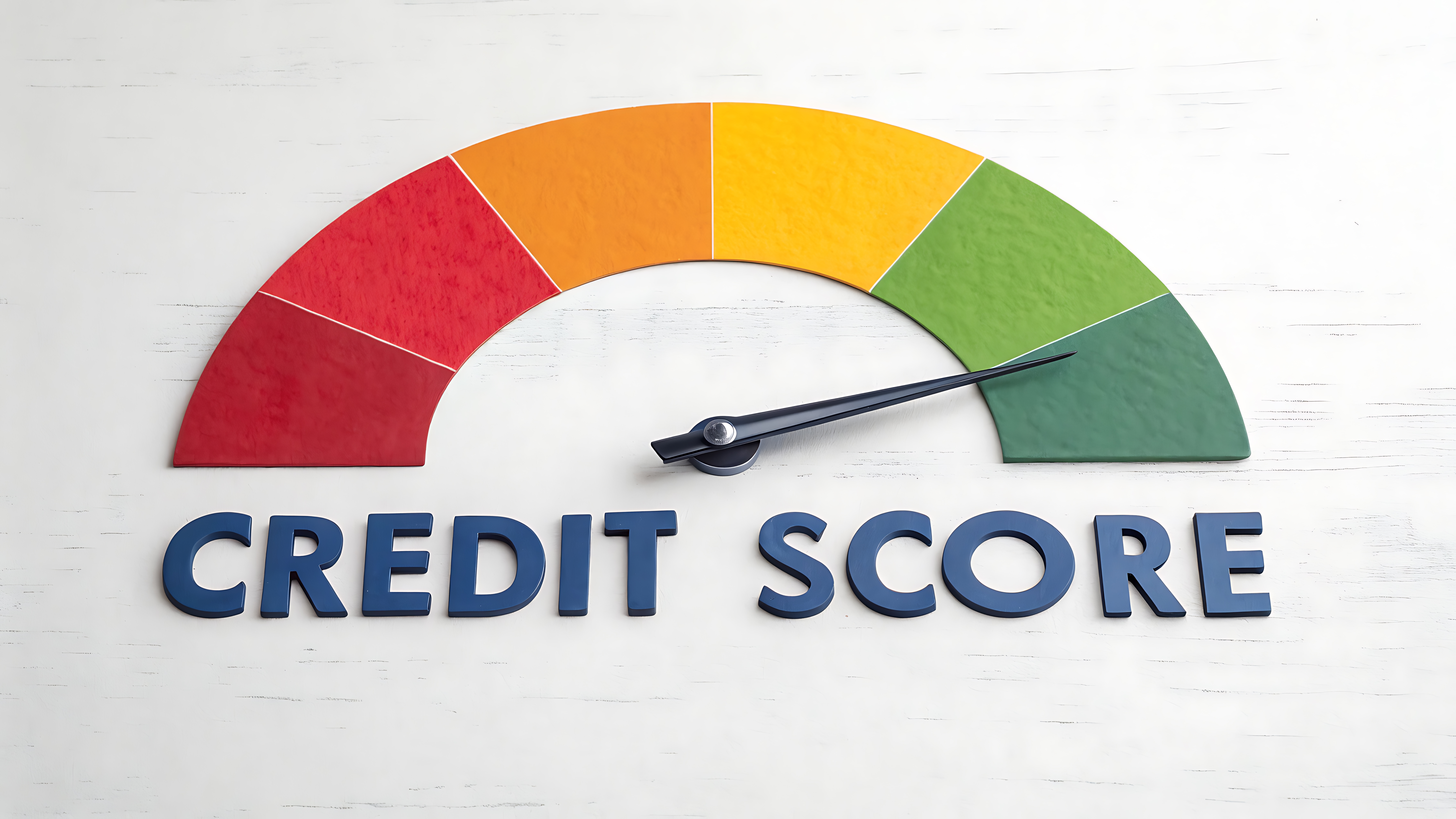
Your credit score is a key indicator of your financial health, reflecting your creditworthiness and affecting how much you can borrow, the interest rates you receive, and any associated fees. It is calculated from your credit report, which tracks:
➤ Payment history
➤ Total debt owed
➤ Length of credit history
➤ Types of credit used
➤ Frequency of credit applications
In both Canada and the U.S., most lenders rely on the FICO credit score system, which ranges from 300 to 900.
➤ Higher scores improve your chances of mortgage approval and access to better loan terms.
➤ Lower scores can make borrowing more difficult and costly.
Example:
➤ With a score of 750 or higher, you may qualify for a mortgage with a low interest rate and smaller down payment, potentially saving thousands over time.
➤ With a score below 600, you could face higher rates, larger down payments, and higher monthly payments.
Key Factors That Impact Your Credit Score
#1 Defaulting on a Loan → The most damaging factor. Defaults can remain on your credit report for up to seven years.
#2 Late Payments → Even a single missed payment can significantly reduce your score.
#3 Credit Utilization → Keep your balances below 30% of your available credit to demonstrate responsible borrowing.
#4 Credit Applications → Multiple “hard inquiries” within a short period may signal higher risk to lenders.
#5 Closing Credit Accounts → Reducing your open accounts can shorten your credit history, potentially lowering your score.
How to Maintain a Healthy Credit Score
✅ Always pay your bills on time.
✅ Keep credit card balances below 30% of your available limit.
✅ Apply for new credit only when necessary.
✅ Review your credit report regularly and dispute any errors.
✅ Build a long credit history—consider a secured credit card if you’re just starting out.
.jpg)
Steps to Rebuild or Improve Your Credit
#1 Get Your Credit Report → Request a free copy from Equifax or TransUnion. Review it carefully and dispute any errors you find.
#2 Pay Down Debt → Reducing your balances improves your credit utilization ratio, which can help raise your score.
#3 Budget & Pay on Time → Use a budgeting tool or simple spreadsheet to prioritize bills and ensure all payments are made on time.
#4 Seek Professional Help → If managing debt feels overwhelming, a credit counselor or financial advisor can provide guidance on rebuilding your credit and improving your financial health.
Contact Me
Have a question or need assistance? Reach out to me and I'll get back to you as soon as possible.
Gonjeev Mohan

D2 - 795 Milner Avenue, Toronto, Ontario, M1B 3C3

Information is deemed reliable but not guaranteed. Sourced in part from the Toronto Regional Real Estate Board (TRREB). Provided solely for consumers with a bona fide interest in the purchase, sale, or lease of real estate. Unauthorized use, reproduction, or distribution is strictly prohibited.